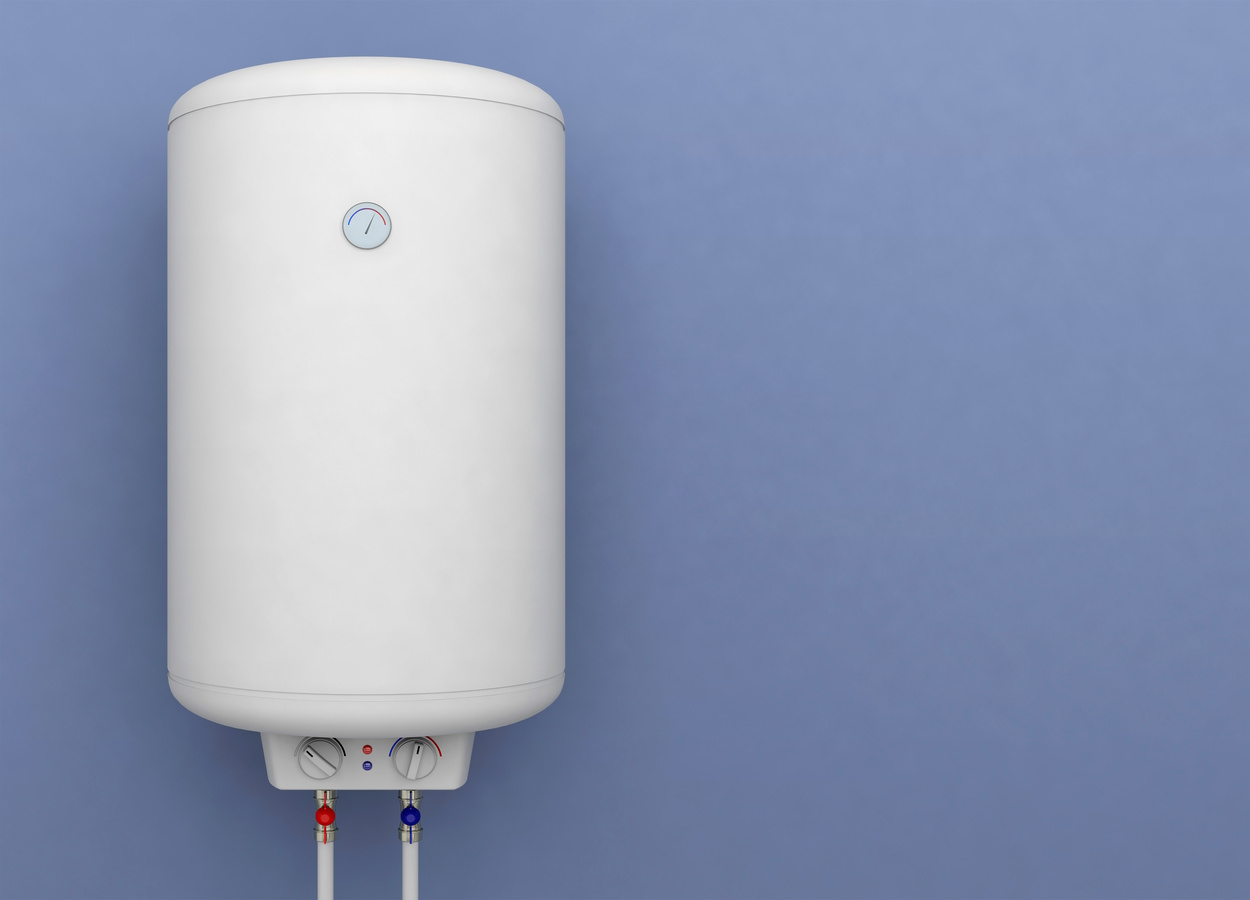
A leaking water heater can quickly become a serious problem if water collects near the unit, damages nearby areas, or points to equipment failure. In this blog, Gator Plumbing explains what may cause water heaters leaking from bottom issues, how leak source diagnosis works, and when water heater repair or replacement may be needed.
Understanding the Problem: Why Is My Water Heater Leaking from the Bottom?
A water heater leaking from the bottom can be caused by several factors. Identifying the source of the leak is important for determining the appropriate course of action. Here are some common causes:
1. Faulty Drain Valve
The drain valve is used to empty the water heater for maintenance or repairs. If it’s not completely closed or is damaged, it can cause leaks. While this may seem like a minor issue, it can lead to water loss over time.
2. Corroded Tank
Over time, the interior of the water heater tank may corrode, especially if routine maintenance is neglected. Corrosion weakens the tank, leading to leaks. Unfortunately, a corroded tank often means the entire water heater needs to be replaced.
3. High Pressure
Excessive pressure inside the tank can cause leaks from the bottom. This pressure can result from overheating or a faulty pressure relief valve. It’s important to address this issue early to prevent further damage.
4. Sediment Buildup
Sediment buildup at the bottom of the tank can cause corrosion and reduce the efficiency of the water heater. This sediment can eventually lead to leaks as it creates pressure points that stress the tank.
Consequences of a Leaking Water Heater
A leaking water heater is more than just an inconvenience. If left unaddressed, it can lead to serious problems, including:
- Water Damage: Water pooling around the heater can damage flooring, walls, and nearby belongings.
- Increased Utility Bills: A leaking heater can waste a large amount of water, leading to higher water bills.
- Equipment Failure: Continued leakage can cause the heater to fail completely, requiring costly replacements.
- Potential Flooding: In severe cases, a leaking water heater can lead to flooding, causing extensive damage to your home.
Diagnosing the Leak: Where Is It Coming From?
Before jumping to conclusions about whether to repair or replace your water heater, it’s important to find the source of the leak. Here’s how you can do it:
- Inspect the Drain Valve: Check if the drain valve is tightly closed. If it’s loose, try tightening it to see if the leak stops.
- Examine the Tank: Look for signs of rust or corrosion on the tank, which may indicate a more serious issue.
- Check the Pressure Relief Valve: If water is leaking from this valve, the pressure inside the tank may be too high.
- Look for Sediment Buildup: Listen for popping or cracking sounds, which can indicate sediment buildup at the bottom of the tank.
Can a Leaking Water Heater Be Repaired?
Whether a leaking water heater can be repaired depends on the source and severity of the leak. Let’s explore some scenarios:
Repairable Issues
Some leaks can be repaired without replacing the entire unit. These include:
- Drain Valve Leaks: Often, replacing or tightening the drain valve can resolve the leak.
- Pressure Relief Valve Issues: If the valve is faulty, replacing it may solve the problem.
Non-Repairable Issues
In some cases, repair is not an option, and replacement is necessary:
- Corroded Tank: A corroded tank cannot be repaired and will need to be replaced.
- Severe Sediment Buildup: If sediment has caused significant damage, the heater may need to be replaced.
When to Call a Professional for Water Heater Repair
If you’re unsure about the source of the leak or how to fix it, it’s best to call a professional. At Gator Plumbing, we have the expertise to inspect and repair water heater issues properly. Here are some signs that it’s time to call in the experts:
- Persistent Leaks: If the leak continues despite your efforts, professional intervention is needed.
- Unusual Noises: Popping or banging sounds can indicate serious issues that require professional attention.
- Old Water Heater: If your water heater is over ten years old, it may be time for a replacement.
Repair vs. Replacement: Making the Right Choice
Deciding whether to repair or replace your water heater depends on several factors:
1. Age of the Water Heater
Water heaters typically last 8-12 years. If your unit is approaching this age, replacement may be more cost-effective in the long run.
2. Cost of Repair
If repair costs are more than half the price of a new unit, replacement is often the better choice.
3. Energy Efficiency
Newer models are more energy-efficient, which can save you money on utility bills. If your current heater is inefficient, upgrading might be worthwhile.
A water heater leaking from the bottom is a serious issue that requires quick attention. By understanding the causes and consequences, you can make informed decisions about repair or replacement. If you’re experiencing a leaking water heater, don’t hesitate to reach out to an emergency plumber at Gator Plumbing. Our team is here to help you get your hot water back up and running smoothly.
Remember, addressing a leak early can prevent more extensive damage and save you money in the long run. Whether it’s a simple repair or a complete replacement, taking action early is key to maintaining a functional and efficient water heating system in your home.
If you’re experiencing a leaking water heater, don’t hesitate to reach out to an emergency plumber at Gator Plumbing. Our team is here to help you get your hot water back up and running smoothly. Contact us today for more information.